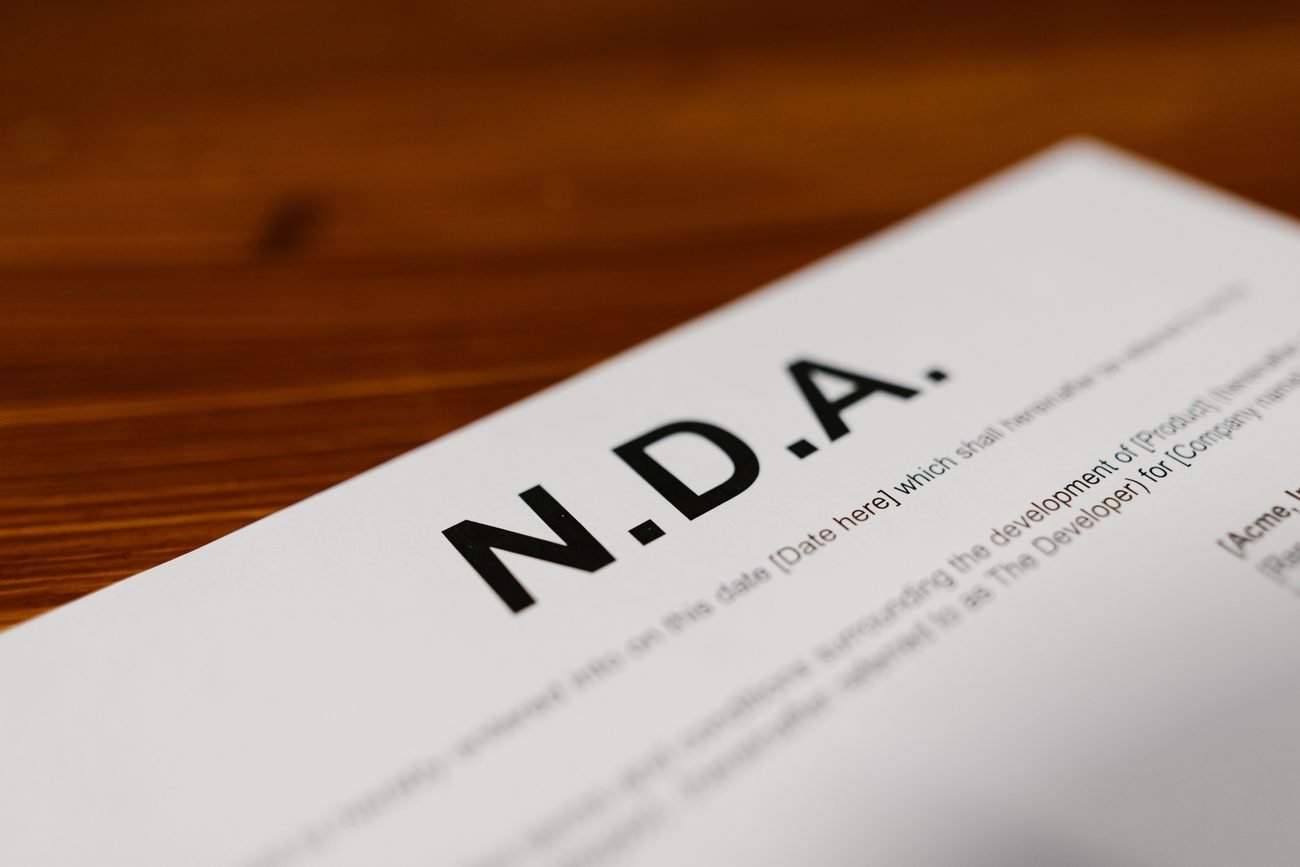
NDA stands for Non-Disclosure Agreement. It is a legal agreement designed to protect confidential information from being shared with unauthorized people.
NDAs are commonly used in business relationships, employment, partnerships, product development, and other situations where sensitive information needs protection.
What Is a Non-Disclosure Agreement?
A Non-Disclosure Agreement is a contract between two or more parties.
The agreement normally explains what information is considered confidential and how that information can be used or shared.
For example, a company may ask an employee or contractor to sign an NDA before giving them access to confidential business information.
What Information Can an NDA Protect?
An NDA may cover information such as:
- Business plans
- Customer information
- Product designs
- Marketing strategies
- Trade secrets
- Financial information
- Software or technical information
- Unreleased products
The exact information covered depends on the agreement.
How Does an NDA Work?
An NDA usually identifies several important things.
Confidential Information
The agreement explains what information should be kept private.
Authorized Use
It may explain how the recipient is allowed to use the information.
Restrictions
The agreement may restrict sharing the information with other people.
Duration
Some NDAs specify how long confidentiality obligations continue.
Exceptions
Confidentiality agreements may also identify information that is not covered, such as information that was already publicly available.
Why Do Companies Use NDAs?
Businesses use NDAs to reduce the risk of confidential information being disclosed.
For example, a startup may need to show a new product idea to a potential business partner. An NDA can establish confidentiality obligations before the information is shared.
Is an NDA Legally Binding?
An NDA can be legally binding when it is properly created and enforceable under the applicable law.
However, the enforceability of an NDA depends on factors such as its wording, applicable law, circumstances, and jurisdiction.
For an important legal agreement, professional legal advice can be appropriate.
NDA Example
Imagine a software company develops a new application before its public launch.
The company hires a contractor to work on the project. The contractor receives access to unreleased features and business information.
The company may use an NDA to require the contractor to keep that information confidential.
Frequently Asked Questions
What does NDA stand for?
NDA stands for Non-Disclosure Agreement.
What is the purpose of an NDA?
Its purpose is to establish confidentiality obligations around information that one or more parties do not want disclosed.
Can an employee sign an NDA?
Yes. Employees, contractors, consultants, business partners, and other parties may be asked to sign NDAs depending on the situation.
Conclusion
An NDA, or Non-Disclosure Agreement, is a legal contract used to protect confidential information. It explains what information must remain private and may establish rules about how that information can be used or shared.
