Meta Description: Discover how IoT business solutions help companies save time, cut costs, and boost efficiency with smart connected technology across industries.
Introduction
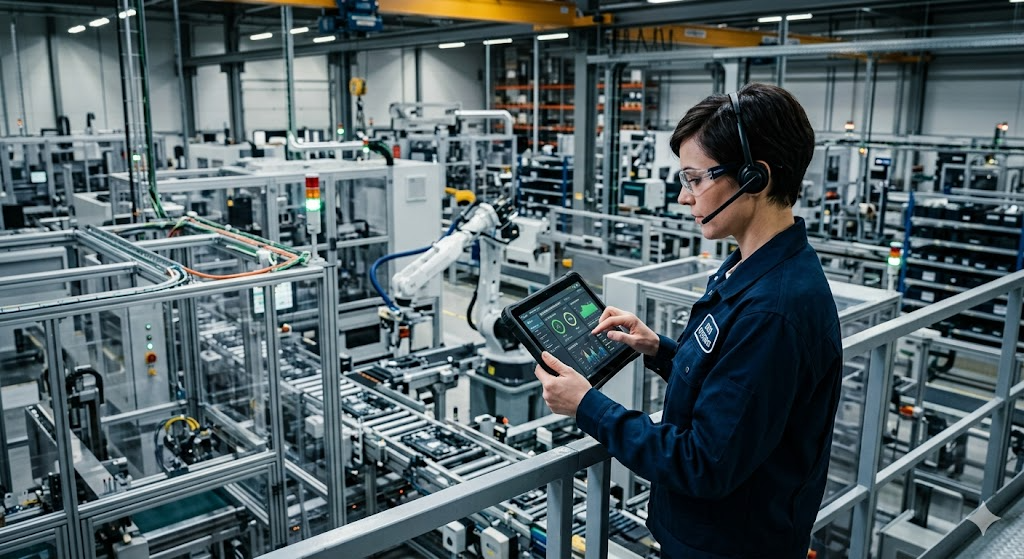
Running a business efficiently is harder than it sounds. There are always moving parts — inventory, staff, equipment, customers, and deadlines. That’s where technology steps in. IoT business solutions are changing the way companies operate by connecting devices, collecting real-time data, and automating everyday tasks. Whether you run a small shop or a large warehouse, these tools can make your operations smoother. This article breaks down what IoT means for businesses, how it works in the real world, and how you can use it to get better results without overcomplicating things.
What Is IoT and Why Do Businesses Care About It?
IoT stands for the Internet of Things. Simply put, it’s about connecting physical devices — machines, sensors, vehicles, even thermostats — to the internet so they can share data automatically.
Businesses care because this connection saves time. Instead of manually checking equipment or counting inventory, smart sensors do it for you. The data flows in real time, so decisions can be made faster.
Think of a restaurant that uses smart temperature sensors in its walk-in cooler. If the temperature rises, the manager gets an alert on their phone instantly. No spoiled food. No guessing.
That’s just one small example. The applications stretch across healthcare, retail, manufacturing, logistics, and more.
Types of IoT Solutions Businesses Use Most
Not all IoT tools are the same. Businesses use different types depending on their needs and industry. Here’s a quick overview of the most common options:
| Feature | Option / Type | Description |
|---|---|---|
| Asset Tracking | GPS + RFID Sensors | Monitors location and movement of equipment or inventory in real time |
| Energy Management | Smart Meters & Controllers | Tracks and controls energy use across facilities to reduce waste |
| Predictive Maintenance | Machine Sensors | Detects early signs of equipment failure before breakdowns happen |
| Remote Monitoring | Cloud-Connected Cameras | Allows managers to view operations from anywhere via mobile or desktop |
| Customer Analytics | Smart Retail Devices | Collects foot traffic and behavior data to improve store layout and service |
Each of these tools serves a specific purpose. The key is choosing what fits your business needs best.
Practical Tips for Getting Started With IoT
Starting with IoT doesn’t have to be expensive or overwhelming. Here are some honest, practical steps to take:
Start small. Pick one area of your business that causes the most headaches — like energy bills or equipment downtime. Test one IoT tool there before expanding.
Choose reliable vendors. Not all IoT platforms are equal. Look for companies with strong customer support and good security standards. Read reviews and ask for demos before committing.
Train your team. New technology only works if your people understand it. Spend time showing employees how to read the data and respond to alerts correctly.
Set clear goals. Before you install anything, know what you want to measure. Fewer equipment failures? Lower utility costs? Faster deliveries? Clear goals help you know if the tool is working.
Key Benefits Businesses See From IoT Solutions
When implemented well, IoT business solutions deliver real, measurable results. Here are some of the most common benefits businesses report:
Cost savings — Smart energy management alone can cut utility bills by 10–30% in some facilities.
Faster decisions — Real-time data means managers don’t have to wait for weekly reports. They can act now.
Better customer experience — When inventory is tracked accurately, products are always in stock. Customers are happier.
Reduced downtime — Predictive maintenance catches equipment problems early, so machines don’t fail at the worst possible time.
Improved safety — Sensors can detect hazards like gas leaks or temperature spikes, protecting both workers and property.
Common Mistakes Businesses Make With IoT
Even great technology can backfire if not used properly. Here are mistakes to watch out for:
Buying too much too soon. Some businesses install dozens of sensors without a clear plan. This creates data overload and confusion instead of clarity.
Ignoring cybersecurity. Connected devices can be hacked if not protected. Always update firmware, use strong passwords, and work with vendors who take security seriously.
Not acting on the data. Collecting data is useless if no one reviews it. Assign someone to monitor dashboards and respond to alerts regularly.
Skipping integration. IoT tools should connect with your existing software — like your CRM or inventory system. If they don’t talk to each other, you’ll have islands of information, not a complete picture.
Expert Tips From People Who’ve Done It Right
People who’ve successfully implemented smart devices in their businesses often share similar advice:
“Keep it simple at first.” The most common tip is to solve one real problem before adding complexity.
“Focus on ROI.” Track what you’re spending versus what you’re saving. If a $500 sensor saves you $2,000 a year in energy costs, it’s worth it.
“Build a culture of data.” Encourage your team to trust and use the data. The technology is only as good as the habits built around it.
FAQs
Q: Are IoT solutions only for large companies?
No. Small businesses benefit just as much. Many affordable tools are designed specifically for small operations.
Q: How long does it take to see results?
Some benefits, like energy savings, can appear within weeks. Others, like reduced equipment failures, may take a few months to measure clearly.
Q: Is my data safe with IoT devices?
It depends on the vendor and your security setup. Always choose platforms with strong encryption and regular security updates.
Conclusion
Smart connected technology is no longer just for tech giants. Businesses of all sizes are finding real value in IoT business solutions — from cutting energy costs to improving customer satisfaction. The key is starting with a clear goal, choosing the right tools, and making sure your team knows how to use the data. It doesn’t have to be complicated. Take it one step at a time, measure your results, and build from there. The businesses that embrace this shift now will be better positioned to grow and compete in the years ahead.
SEO Keywords Used:
- IoT business solutions
- smart connected devices
- real-time data monitoring
- predictive maintenance technology
- business automation tools
